Stroke rehabilitation is a vital step toward recovery after a stroke. It helps survivors rebuild strength, regain independence, and improve their quality of life. While the road to recovery can be long and challenging, stroke rehab offers hope, progress, and the tools needed to reclaim daily function. With the right care and support, stroke survivors can make meaningful strides forward.
Introduction to Stroke Rehabilitation
Early rehabilitation is crucial. The brain has a remarkable ability to adapt and reorganize—a concept known as neuroplasticity. Starting rehab soon after a stroke makes the most of this potential.
Goals of Stroke Rehab:
- Restore lost movement, speech, and thinking skills
- Improve strength, balance, and coordination
- Rebuild confidence and independence
- Return to meaningful daily activities
Family involvement also plays a key role in providing encouragement and practical help throughout recovery.
Types of Stroke Rehabilitation Therapies
Physical Therapy (PT)
Focuses on improving:
- Muscle strength
- Balance and coordination
- Mobility and flexibility
Therapists use guided exercises such as walking practice, stretching, and balance training to restore movement.
Occupational Therapy (OT)
Helps patients:
- Relearn daily activities like dressing, cooking, and bathing
- Strengthen hand-eye coordination
- Use adaptive tools for easier living
- Gain independence and confidence
Speech and Language Therapy
Supports communication skills by:
- Improving speech clarity
- Enhancing language comprehension
- Addressing swallowing difficulties
Therapists develop personalized exercises for regaining speech and cognitive abilities.
Innovative Rehabilitation Techniques
Robotic Therapy
- Robotic devices assist arm or leg movements
- Ensures correct posture and motion
- Enhances muscle strength through repetitive training
- Offers adjustable, safe support
Virtual Reality (VR)
- Patients wear VR headsets to enter interactive environments
- Games and simulations improve coordination, balance, and mobility
- Engaging, fun, and highly motivating
- Tracks progress and provides real-time feedback
The Role of Caregivers and Family
Family members and caregivers provide:
- Emotional support
- Help with home exercises
- Daily encouragement and motivation
- Consistent routines that reinforce recovery
Simple acts like walking together, sharing positive affirmations, and assisting with routines make a big difference.
Nutrition and Stroke Recovery
A healthy diet promotes healing and brain function.
What to Eat:
- Fruits and vegetables (high in antioxidants)
- Whole grains (fiber and sustained energy)
- Lean proteins (for tissue repair)
- Healthy fats like omega-3s (brain support)
What to Avoid:
- Sugary foods
- Processed snacks
- High-sodium meals
Hydration and doctor-approved supplements like Vitamin D, B vitamins, and Omega-3s may also support recovery. Always consult a healthcare provider before starting supplements.
Mental Health in Stroke Rehabilitation
Stroke survivors often face emotional challenges, including depression and anxiety.
Ways to Support Mental Health:
- Counseling or talk therapy
- Medication (as prescribed)
- Engaging in social activities
- Playing brain games or doing puzzles
- Keeping the mind active through reading or learning new skills
Maintaining a positive mindset and practicing patience are essential for both emotional and cognitive recovery.
Community Resources and Support
Support Groups
- Offer a safe space to share experiences
- Provide emotional support and understanding
- Reduce feelings of isolation
- Available both in-person and online
Rehabilitation Centers
- Offer comprehensive therapy programs
- Staffed with trained professionals
- Tailored sessions for speech, occupational, and physical therapy
- Help patients make steady progress
Preventing Future Strokes
Prevention is a critical part of long-term recovery.
Healthy Habits:
- Eat a balanced diet
- Exercise at least 30 minutes a day
- Stop smoking
- Limit alcohol intake
- Manage stress with relaxation techniques
Medical Management:
- Take medications as prescribed
- Monitor blood pressure and cholesterol
- Attend regular check-ups
- Report side effects to your doctor
Personal Stories of Recovery
Amanda Stokes from
physicaltherapycoralsprings.com told us that many stroke survivors have shared inspiring stories of hope:
- Some learned to walk again
- Others regained their speech or fine motor skills
- All overcame challenges with patience, perseverance, and support
These personal victories demonstrate the power of resilience and show that recovery is always possible.
Frequently Asked Questions
How do you rehabilitate a stroke patient?
Through a combination of physical, occupational, and speech therapy, along with a healthy diet, regular exercise, and mental health support.
What percentage of stroke patients make a full recovery?
Approximately 10% fully recover, but many more regain partial function. Outcomes vary by individual and are influenced by the quality of rehabilitation.
What is the most effective stroke rehabilitation?
An individualized plan combining physical, occupational, and speech therapies, tailored to the patient’s specific needs.
What are the 7 stages of stroke recovery?
- Flaccidity (no movement)
- Spasticity appears
- Increased spasticity
- Decreased spasticity
- Complex movement combinations
- Spasticity disappears
- Normal function returns
Conclusion
Stroke rehabilitation is a life-changing journey. With the right therapies, strong support, and a consistent routine, recovery is possible. Every small step brings you closer to greater independence and improved well-being.
Stay positive. Be patient. Celebrate each win.
Your strength—and the care you receive—can lead you to a better, more fulfilling life after stroke.
Where Coral Springs Residents Can Find Stroke Rehabilitation Therapy
- FYZICAL Therapy & Balance Center Coral Springs
2234 N University Dr, Coral Springs, FL 33071
(954) 779-4549
coralsprings@fyzical.com
- https://www.instagram.com/fyzicalcoralsprings/
- https://www.facebook.com/FyzicalCoralSprings
- https://x.com/PTCoralSprings
- https://www.facebook.com/FyzicalCoralSprings
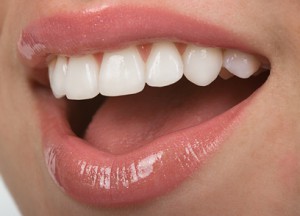 The actual dental veneers process starts with a digital impression that is sent to the master crafter who makes the individual veneers especially for you. In many cases, your teeth will be prepared with etching to remove the front slick surface during this same initial visit. Temporary veneers are put in place to protect the etching and allow you to go on with normal life while you await custom veneers.
 Why not try traditional braces to straighten your teeth since they’ve worked so well for so many people for so many decades?


 Most likely you don’t not recall what teething when you were a baby feels like, but when you experience wisdom teeth coming in, you will know first hand what a baby goes through. Wisdom teeth can create more than just tender gums and sore teeth, they can actually cause problems with your dental health.
 Sliding doors can be used in many places throughout your home due to the fact they take up very little space. They are great as interior doors for partitions or helping to hide that last load of laundry. They are also very functional as exterior doors allowing for an open feeling from one space to the next. Here are just a few options when it comes to adding sliding doors to your design.